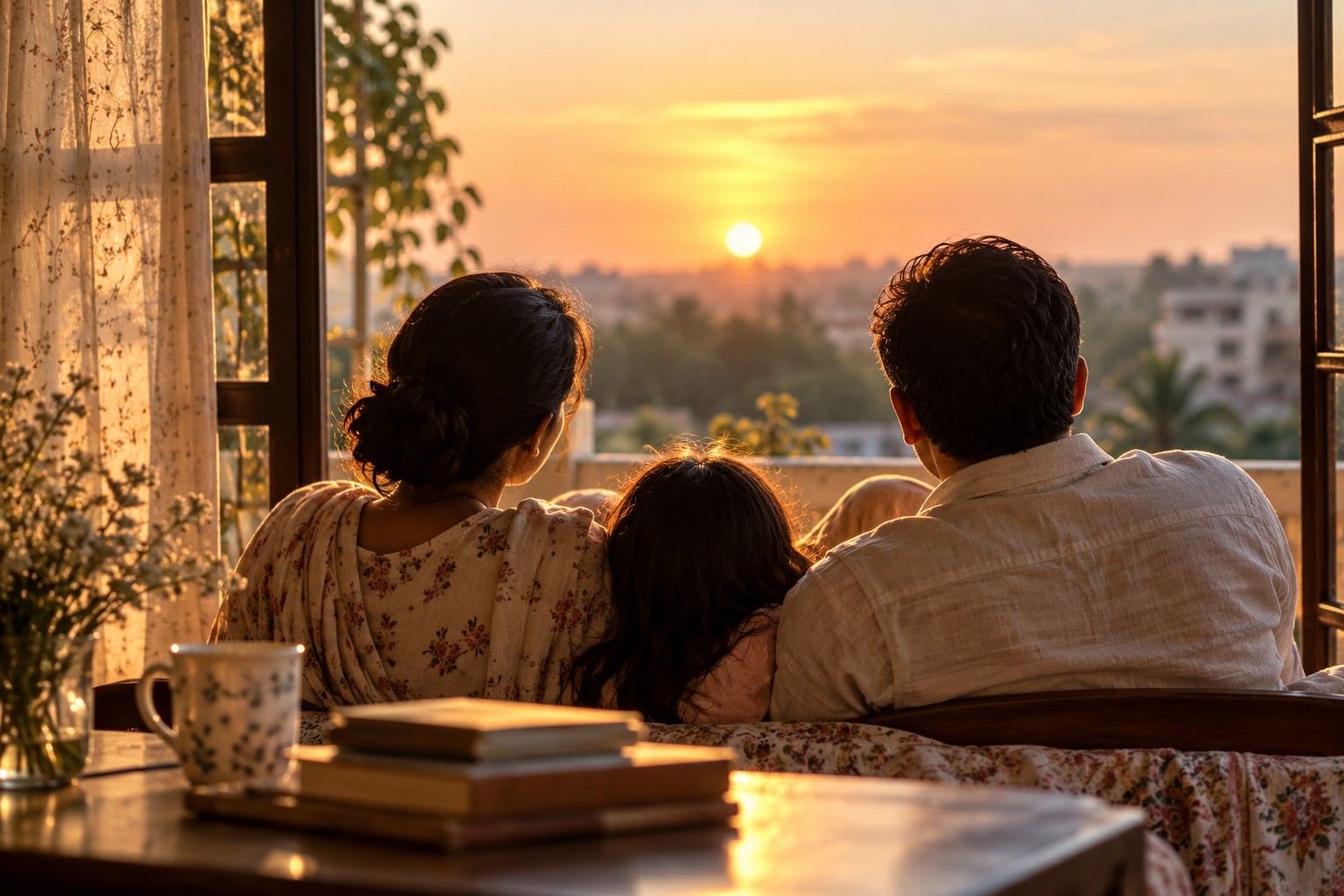
As a child, I believed adults had life figured out—especially my parents. They always seemed to know what needed to be done, no matter how small or complicated the situation appeared.
They knew which bus to take, how much things cost, when the electricity bill was due, and what medicine to give me when I had a fever. Whenever something went wrong, I instinctively looked to them for an answer. Somehow, they always seemed to have one.
What I didn’t understand then was that knowing what to do and appearing to know what to do are not always the same thing.
It never occurred to me that there may have been nights when they were just as uncertain as I would later become as an adult. They simply carried that uncertainty quietly so that I didn’t have to carry it with them.
The Things I Never Saw
Behind the confidence I saw as a child, there may have been struggles I knew nothing about:
- Financial worries — bills they weren’t sure how they would pay.
- Difficult decisions — choices they were afraid of getting wrong.
- Private disagreements — conversations and arguments that happened after we went to sleep.
- Personal fears — worries they kept to themselves so we could feel safe.
- Unfulfilled dreams — plans they postponed because the family’s needs came first.
- Exhaustion — days when they were tired but continued because someone depended on them.
- Uncertainty about the future — questions they couldn’t answer, even though we assumed they could.
As children, we rarely notice these things. We see dinner on the table, school fees paid, problems solved, and someone waiting for us when we come home. We see the result, but not always what it took to make that result possible.
What I Understand Now
Growing older made me realise that my parents were never people who had all the answers.
They were simply people who kept going even when they didn’t have them.
They worried, made mistakes, changed their minds, sacrificed things they wanted, and sometimes probably wondered whether they were doing any of it correctly.
Yet they tried to make childhood feel safer than adulthood really was.
Perhaps that is why we never saw most of their struggles.
We weren’t supposed to.
We were children—and for as long as they could, they allowed us to be.